
How Do Mentors and Staff Change Stigma Around Student Mental Health?
By Jules Silverman

“Silverman, come on up, I just made some coffee! My dog needs some belly rubs. How’s your first month of school going? It’s great to see you all over the campus, love seeing your smile!” said the dean of admissions at a liberal arts college in Connecticut, from his second floor window. I crossed the snow dusted quad towards the quaint, Victorian style admissions building with a sigh of relief. A sense of warmth and belonging came over me. Feeling rundown, alone, and afraid that day was a common feeling for me as I started this semester. I sought peace and a place to let down my mental barriers. Starting the semester in a new state, on a new campus, and suffering greatly from overwhelm that was exacerbated by my psychosis, this welcoming, inviting relationship from the dean gave me comfort. I went up to chat with the dean and his dog. He told me about his favorite oyster bar in the nearby town and asked me about the art I wanted to create in my drawing class that I would walk over to after I got warm in his office. I was stressed and scattered but the calm lull in his voice brought me back to a grounded space. While I pet his dog and spoke in fragments, he started to tell me about his own mental health journey. I just listened and felt supported in that moment. This man who could have only dealt with me as an application that came over his desk was taking an interest in my well being. As I started school, we shared intimate similarities in mental struggles, this dean and I. He treated me as an old friend more than just an applicant. He gave me the self confidence to follow my dreams despite my schizophrenia, for I was just as capable as other students. One day he believed that I would help others just as he grounded me at that moment on campus. He saw that I had resilience.
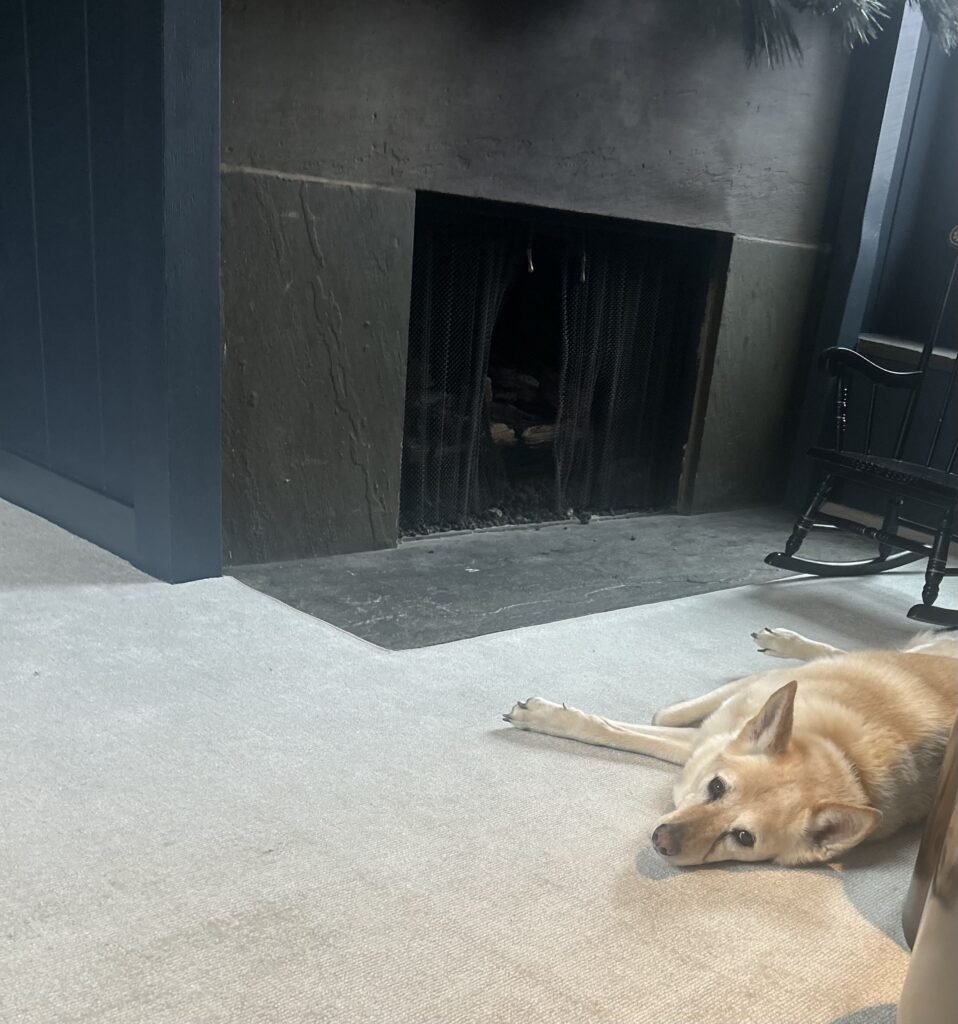
Even after I transferred universities away from Connecticut, I remained in contact with that dean who gave me the strength to believe that, despite my diagnosis of schizophrenia, I could achieve whatever I set my mind to. He was steadfast in his choice to welcome me to his college with a scholarship and I still have his number on my phone. I call him when I’m looking for a laugh and a photo of his puppy reclining on his living room floor. Mental tumult turned into a positive outlook for both of us, living in this difficult world.
I realize this type of relationship between dean and student is highly improbable in larger school settings where admissions higher ups are removed from individual undergraduates. This mentor-student connection was rare, especially how we bonded over mental illness, and I’m grateful that I was able to cultivate this academic and personal support in a college setting. This role model I had gave me the confidence and “mojo” to apply to an Ivy League. After the initial joy of getting in, I thought I’d only be a number, shuffling from lecture hall to lecture hall, not forming any meaningful relationships with professors or people in my classes. However, as I approach my third year at this university, I’ve encountered several professors who truly made learning enjoyable and didn’t hold up any preconceived notions related to my accommodations. My ability was taken at face value in writing, art, African civilization, and even in the math/science core requirements and those professors recognized my hard work without measuring me up based on a disability label. They treated me as a dedicated student who tried her best.
One point of contention I had was with a professor who aligned with the cultural attitude of mental illness stigma, ironically in a clinical psychology class. He taught exclusively of negative examples and depictions of stereotypical psychotic/schizophrenic people. Murder, irrational insanity, overwhelming paranoia and no gleam of hope or recovery for these people was his perspective, which was clear in what he taught. In one of his lectures he said, “These psychotics should either be locked up for the duration of their lives or be executed for the crimes they committed while in psychosis.” No talk of medication, therapy, self-care, interventional treatments, just bleak futures for anyone saddled with the degenerative “schizophrenia”. I felt so downtrodden that this was the point of view of a professor in the psychology department in an Ivy league university. Why do educated people uphold the media’s depiction of psychosis even after validating mood, anxiety, and eating disorders?
After this class where I felt that my experience was totally misrepresented, it inspired me to double down in my psychosis advocacy and push the importance of lived experience in the psychology community. I sought out psychosis advocacy groups who believed in the good futures, equality and success stories of people living with psychotic disorders like me. I wanted professors like this psychologist to see psychotic people flourishing in their passions, having fulfilling relationships, and leading the change I want to see in the world. When I met Brandon Staglin two Octobers ago, he introduced me to One Mind. I felt that his mission to support and advocate for people who suffer like me was so noble and so needed. I wished he could influence the syllabus of stigma driven professors. When Brandon nominated me for the One Mind Community Advisory Network, I was absolutely honored to be a part of Brandon’s organization. I love telling the stories of successful psychotics, to change the narrative that some ignorant people still believe. One Mind is teaching the next generation of psychology professors the true spirit in our psychosis community.
The support of One Mind in my life mirrors the embrace of the dean from Connecticut. In Connecticut, I needed a helping hand to inspire and show me that I could pursue what I wanted to achieve as I looked up at that second floor window. One Mind switches that paradigm and now I’m calling the names of others out the second floor window. Getting to know them, holding their hands, motivating them, sharing experiences and most importantly helping them to understand that no matter your diagnosis, you are amazingly capable of anything that you set your mind to.