
Cultivating Empowerment Together: How a Community of Organizations is Growing Workplaces Where People with Lived Experience Can Flourish
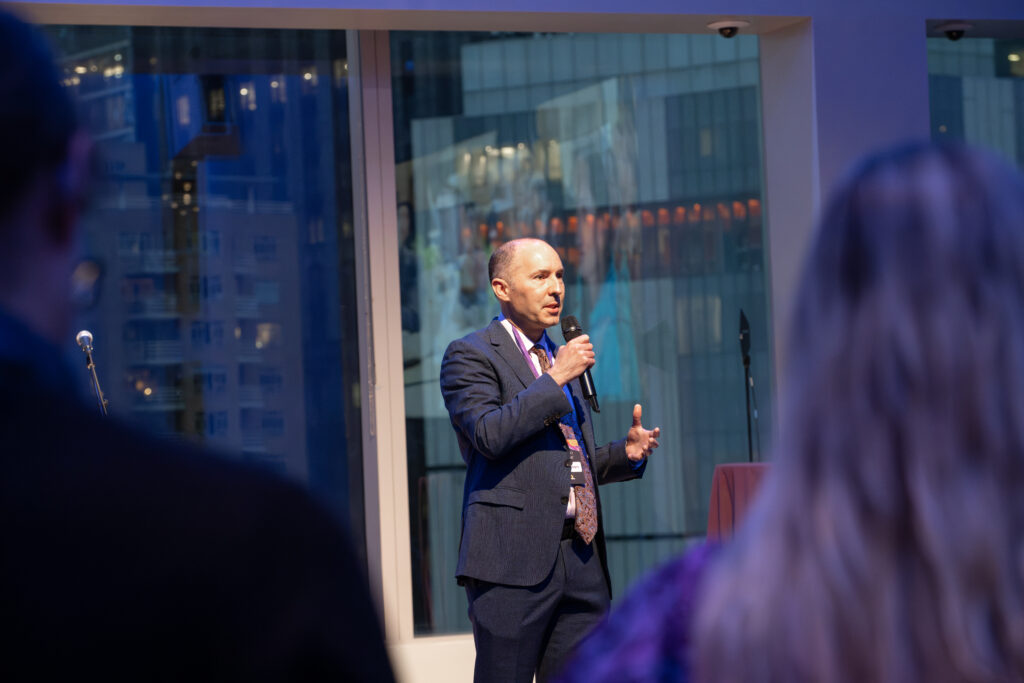
My Story: The Corporate Thicket
Working in a corporate hierarchy while managing a serious mental illness can be like climbing through a thorny thicket.
“This is not working out.” I still remember the sting when I heard my very first manager mutter those words when I stopped him in the hallway. Three weeks into a summer engineering internship during my undergraduate studies, I had discovered yet another error in the database I had been assigned to analyze, and my puzzlement was growing at how to ensure the safety of the products the firm was manufacturing with so many mistakes in their source data. Wouldn’t leadership want to know about these errors?
“No one has ever noticed all these glitches before,” my manager told me, “and I cannot stop my work every time you find one. Please try to work more independently, and when you come up with a question, write it down so we can talk about it at one of our weekly meetings.”
Despite the heat in my cheeks, I took a deep breath and thanked him. This job was too important to me to fail. Success would prove to me I could function in the world while recovering from schizophrenia–well enough I hoped, so I would never have to reveal my diagnosis to an employer. Though I had recovered enough to function, I believed if I had to open up to succeed, discrimination would wither my future. I resolved to learn all I could about navigating an office environment. I practiced every day holding my tongue when I discovered issues, instead documenting them for later investigation. By the time my final performance review came, both my manager and his supervisor told me they were “very happy” with the work I had accomplished. Whew!
My example both illustrates that support and guidance can assist people with lived mental illness experience to navigate modern workplaces and underscores many of the struggles we face in these settings. Though employing workers with such experience can both stabilize their recoveries and benefit organizations (see Linea Johnson’s related article), most workplaces are not yet ready. Hard-driving cultures don’t naturally offer room for neurodivergent, “outside the box” ways of thinking and behaving. Managers don’t know how to recognize and support their workers’ neurodistinct strengths and evolving health needs. Competitive mindsets and fear of discrimination discourage workers from disclosing their conditions, preventing them from accessing vital accommodations and living as their full selves. New employees with mental illness, who may live more isolated lives than most, may start work unfamiliar with the strictures of office etiquette. In addition, when people transition from disability into an active career, they risk the sudden end of their Social Security Disability Insurance (SSDI) benefits and Medicaid coverage, on which many depend.
Untangling the Landscape
These are thorny problems, and no organization can single-handedly untangle the landscape of employment to enable the consistent acceptance, belonging and empowerment of workers with lived experience. Fortunately, a movement is growing to clear this thicket, and One Mind, as a leading force, is forming constructive collaborations with a host of organizations to accelerate its success.
One Mind is continuing the development of our Flourish@Work programming, which, when offered through One Mind at Work, will catalyze the reform of workplace cultures, work design, and management toward employee empowerment through a science-driven curriculum, coaching and a community of practice. This programming will launch at One Mind at Work’s Global Forum on May 19, 2026, with a pilot workshop geared to open leaders’ minds and hearts and co-design strategies to spark this transformation throughout organizations. I am excited to present this session alongside One Mind Lived Experience Council members Tracie Ibrahim, Linea Johnson, and Uma Chatterjee.
Standing on Giants’ Shoulders: A Coalescing Community
This workshop (and the programming it will lead to) are the output of more than a year of research including employer consultations, focus groups and a lived experience community survey, conducted by Flourish@Work’s Lead Researcher Priya Chirayil, in collaboration with a host of amazing, likeminded organizations. We are standing on giants’ shoulders, and deeply appreciate the participation of these organizations both in helping us develop this programming and in complementing our work to reform societal employment structures.
- The Schizophrenia and Psychosis Action Alliance (S&PAA) is an advocacy organization dedicated to “shattering barriers to treatment, survival and recovery.” In addition to graciously distributing our survey to their large community, they have provided access to solid data spotlighting the tremendous costs of unrecovered schizophrenia to all levels of society, including employers. And, they are smartly advocating for critical policy changes to enable workers with such conditions to transition successfully to careers while avoiding the sudden loss of SSDI and Medicaid benefits.
- Students with Psychosis (SWP) is a nonprofit that “empowers students living with psychosis globally through community-building, service, and collaboration.” Beyond their important contributions to Flourish@Work through recruiting members of their community to participate in our focus groups and distributing our survey, SWP has for almost a decade fulfilled an important role in helping students master skills and strengths to succeed in real-life contexts such as workplaces.
- Fountain House is the leading US clubhouse organization “transforming mental illness recovery through community and advocacy, so we can all live with purpose, belonging, and dignity.” Fountain House has both recruited their members to join our focus groups and distributed our survey among their community. Importantly, this organization provides vital employment training and support to empower their members to succeed in society through workplace opportunities.
- CureSZ Foundation “offers advocacy, information, advice, as well as educational and supportive resources to enhance the understanding of schizophrenia as a treatable neuropsychiatric illness.” Beyond kindly offering our survey to their large membership, CureSZ Foundation provides essential guidance and support for people living with schizophrenia and their caregivers toward long-term, fulfilling lives.
Though workplace brambles still abound, a landscaping team of organizations throughout the mental health community is arriving to dig out discrimination and clear the grounds so a garden of acceptance and empowerment can grow. As One Mind’s Flourish@Work programming begins to bloom, we intend to cultivate such collaborations for verdant success. How will you help this garden flourish?