
Cupcake and Popsicle Talk About Suicide
by Amanda Geisinger
Amanda is a One Mind Lived Experience Council member, UX design director, survivor, and cartoonist and has invited some of her sweet characters to the blog to help discuss what we can learn from lived experience about how to speak love to those contemplating death.
(Because of the consequential nature of the topic, this article was vetted by multiple clinicians for safety and accuracy.)
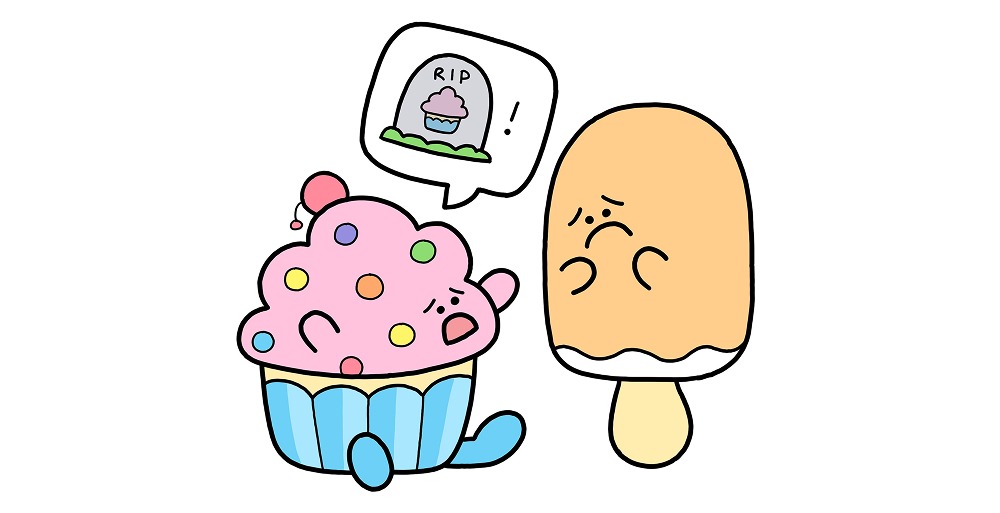
When someone you love tells you they’re considering suicide, what do you say?
As someone who endured many conversations about the topic over the decades I struggled with suicidal thoughts, compulsions, and desires, I’m here to tell you that almost no one who has not been seriously suicidal themselves does it well.
Why?
It seemed, in the people I spoke with, to be coming from two places:
- We’re ALL uncomfortable talking to people who are experiencing great suffering of any kind. It’s hard! I struggle too, and I’ve been through it!
- When it comes to suicidality in particular, there are some insider insights that elude the understanding of most non-sufferers and that ignorance leads people to assume things that are untrue and say things that are hurtful.
There is fierce and deeply entrenched stigma around suicidality in every corner of society. However, I’ve personally never met someone who was intentionally wielding stigma to shame me. I was wounded by people who cared deeply about me but held false beliefs about what I was facing.
Let me show you some of the most common themes that emerged in my typical conversations. My longtime friends Cupcake and Popsicle are gonna play it out for us and I’ll translate from Cupcake’s perspective.
Cupcake: “I can’t stand it anymore, I wish I was dead!”
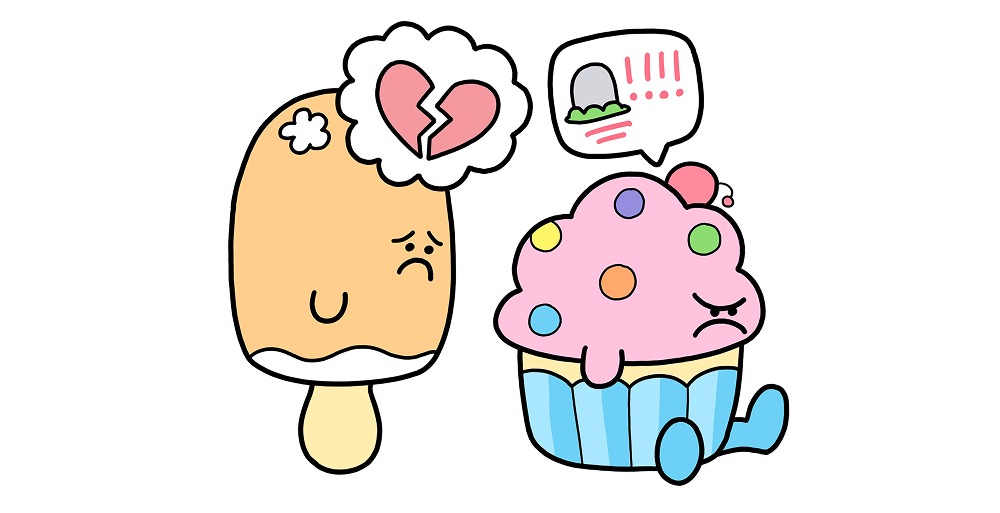
1.
Popsicle: “Have hope! This won’t last forever.”
What cupcake hears: “You’re shortsighted and lack perspective. Thinking differently would fix this.”
The concept at play:
If mental illness is involved, this may not be the “choice” it looks like.
Suicidality can be a clinical symptom of some biological brain conditions. Sometimes we don’t have as much control of our thoughts, desires, and actions as we think we do and the solution is not “hope,” but normal function restored to our brain circuitry.
Insider tip:
Mental illness can be a fatal disease. If your loved one had any other illness that might be fatal, you’d leave the fixing to the professionals and you’d bring the love. Not because your love could save anyone, but because they are worthy of love and receiving that love will profoundly shape their experience of intense suffering. I wish that my friends and I had known that we couldn’t fix it (and that proper medical intervention eventually would).
A more loving approach:
Popsicle: “I wish I could take the burden away from you right now! We’ll lean on the pros for treatment, but I’m going to walk with you while they figure it out.”
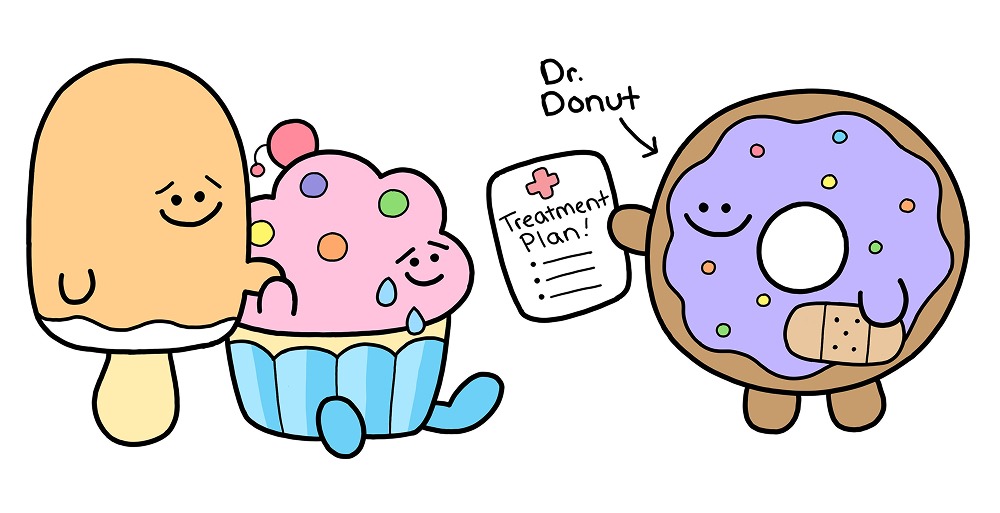
2.
Popsicle: “We all go through hard things.”
What Cupcake hears: “Your pain isn’t as bad as you say it is.”
The concept at play:
Mental pain is real pain.
The same neural circuits that fire when you break your leg also fire when you experience deep mental pain. The actual bodily sensation may be different, but just like extreme breakdowns in our body cause extreme pain, extreme breakdowns in our mind cause extreme pain.
Insider tip:
Popsicle’s comment is just one of many ways to minimize another’s pain and most people take that approach in conversations about suicide because they are afraid that validating the person’s suffering and desire to escape it is validating the act of suicide. Actually, for me and everyone else I’ve met that has been through this, the opposite has been true. I felt invisible, disposable, and ashamed when my situation was portrayed as less severe than it was and more stable, whole, and connected to the world when I heard some version of, “That makes sense.”
A more loving approach:
Popsicle: “I’m sorry your pain is so, so deep; I believe you. I get why suicide feels logical. I don’t want you to die though.”
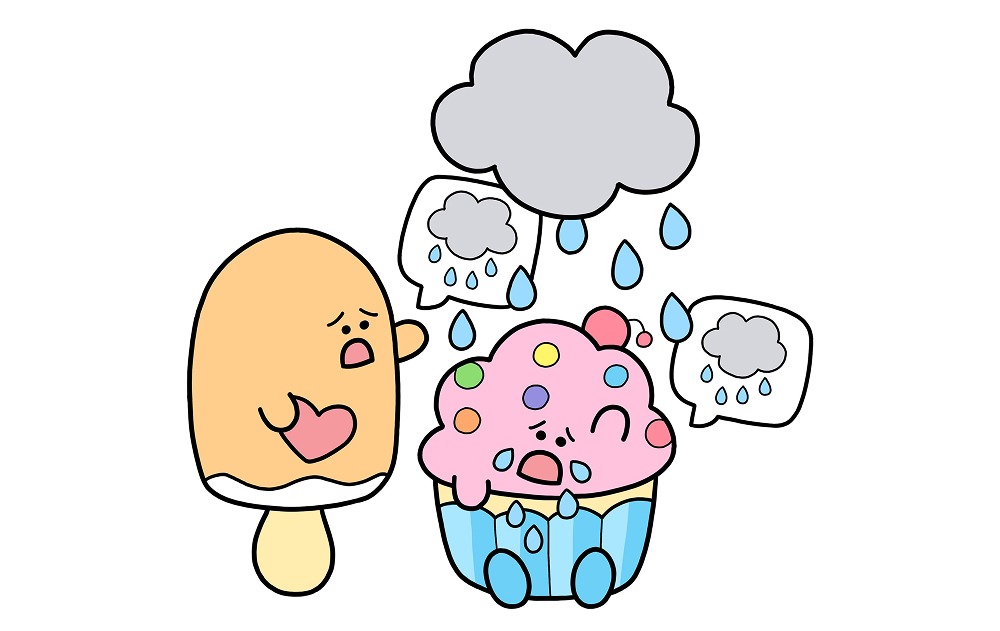
3.
Popsicle: “Why would anyone seriously want to die? You’ll be missing out on so many wonderful things in this world.”
What Cupcake hears: “What’s up with the death fetish, you creep?”
The concept at play:
Almost no one actually wants death itself.
Suicidality isn’t fundamentally about death. Usually, dying is just an excruciatingly high price to pay to end unfathomable agony.
Insider tip:
When humans are in extreme pain, we don’t tend to be eloquent or extremely precise with our language. “This pain is so catastrophically overwhelming that I’d despairingly surrender to the exceedingly appalling but appropriately extreme option of death and endure the profound fear of sacrificing even my very existence in exchange for relief” is a lot to ask someone drowning to fully articulate. Cut us a break here.
A more loving approach:
Popsicle: “I’m devastated that your pain is so bad that you’d literally give up everything for it to go away.”
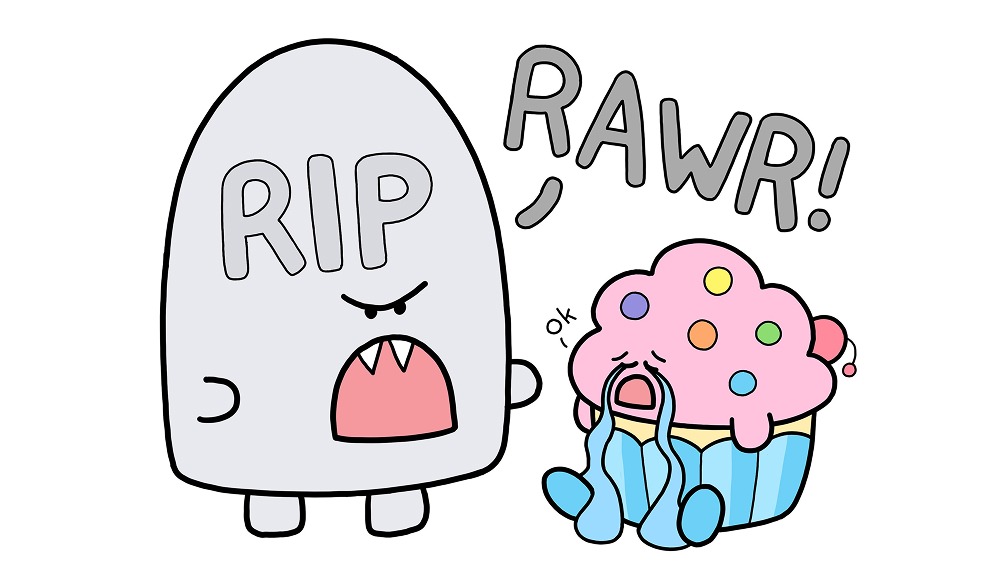
4.
Popsicle: “Suicide would be selfish. You’ll hurt so many people.”
What Cupcake hears: “You’re a terrible person for wanting to hurt others. More proof that the world would be better without you in it.”
The concept at play:
Suicide is not evidence of a lack of concern for others.
Trying to make this a moral issue is tricky for two reasons:
- Again, it may not actually be as much of a choice as it appears. Moral responsibility requires agency and if the person’s thinking, drives, and desires have been hijacked by a disease to an extent that is unclear, are you really qualified to judge them?
- They likely strongly believe that ending their life is the most loving thing they can do because they are confident that they’re a burden to their loved ones. By asserting that they’re ALSO a person who puts themselves before others, you’re actually reinforcing their belief that they are bad.
Insider tip:
The problem here isn’t saying that you’ll be hurt if they die. It’s how it’s framed—as a flaw in their character. Bringing up your sense of loss can actually be helpful if you’re trying to use it as evidence of their inherent value. When I heard, “You shouldn’t do that,” it landed as judgement, but, “I don’t want you to die,” landed as affirmation.
A more loving approach:
Popsicle: “I would be devastated if I lost you, you are a treasure to me. My life is so much better because you are here.”
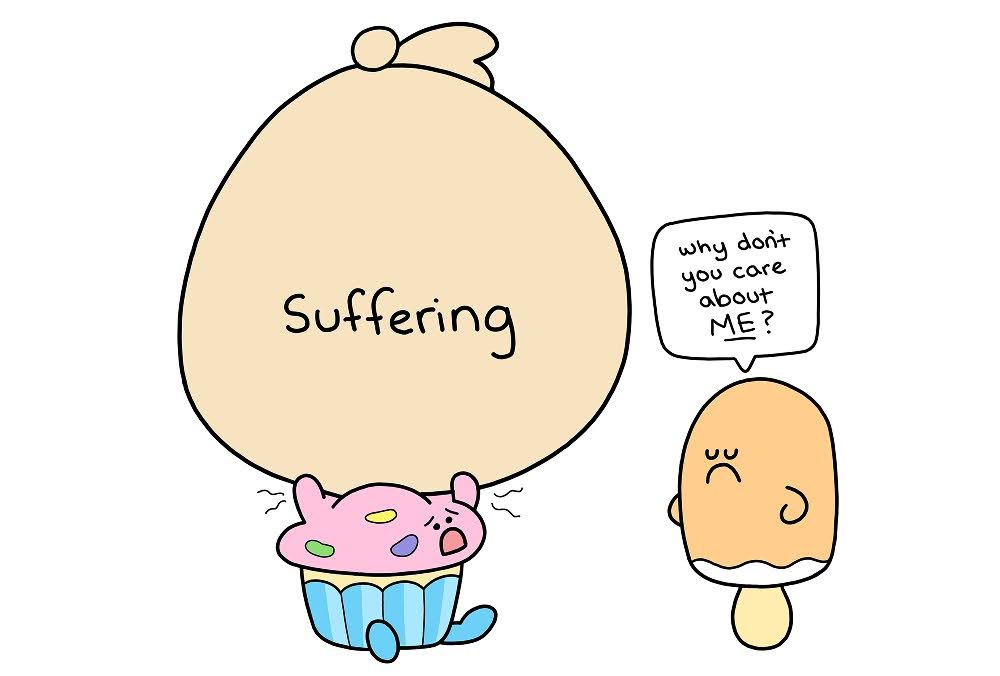
5.
Finally, let’s talk about where to start, because usually the best way to begin isn’t actually by saying anything.
The concept at play:
We cannot feel loved without feeling seen and heard.
If they are willing and able to talk,
START WITH LISTENING.
Listen long, listen proactively, listen generously, listen graciously, listen aggressively, listen tenderly, listen lovingly.
LISTEN with every fiber of your being.
But, if they don’t want to talk in that moment, that’s ok too.
Some of the most meaningful and helpful support I got was literally just the quiet presence of a friend that cared.
And
If all else fails, do not be afraid to fall back on the most straightforward, honest version of the words for this,
“I don’t know what to say. But I see your pain, I love you, and I want you to be ok.”
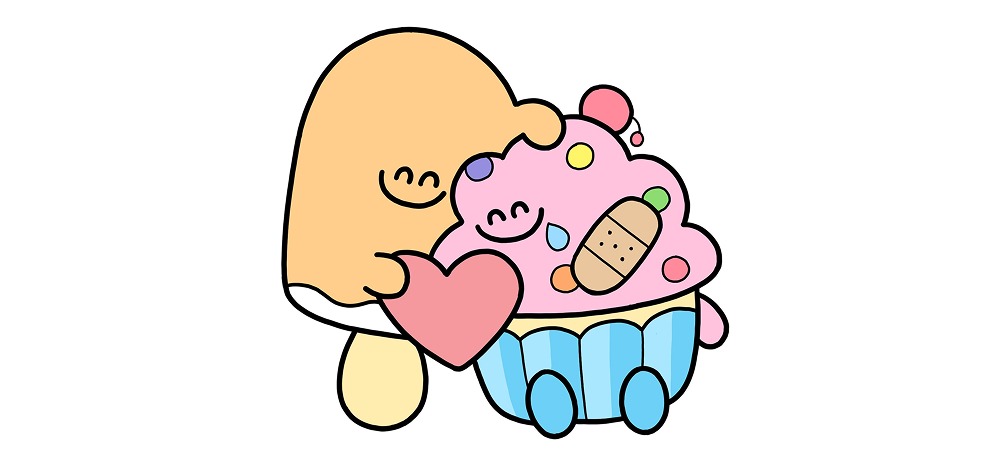
Epilogue
If you’ve read this whole pile of words, I know you’ve got what it takes to be an AMAZING Popsicle. As desperate as you may feel, your thoughtful approach to caring for those with suicidality will go a long way towards dismantling a deeply entrenched and harmful stigma.
We are standing together at an incredible point in history. You’re reading something publicly posted by a credible organization about a deeply stigmatized topic—from someone who lived it. I’m grateful that One Mind’s elevation of lived experience voices powerfully meets this moment where stigma around mental illness is, for the first time since humans appeared on the planet, gradually starting to crumble.
Thank you for being a leader in the movement towards a less stigmatizing and more loving world.
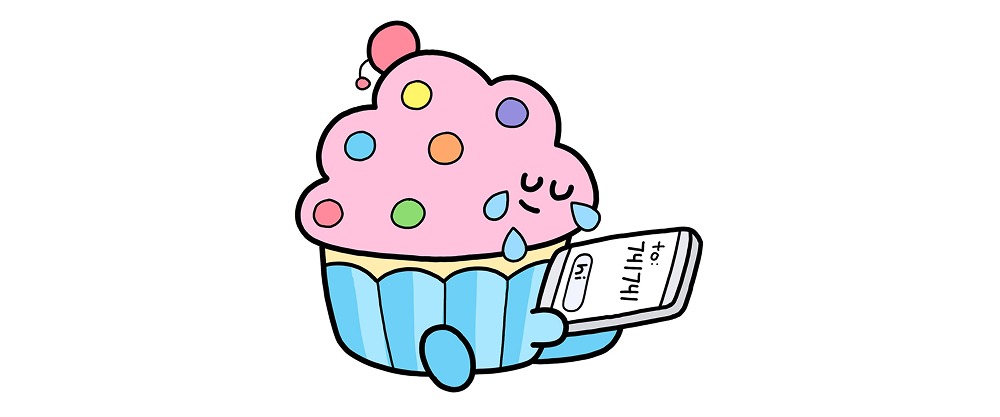
Hey fellow Cupcakes!
When I was suicidal, I thought that these “what to do in a crisis” sections were just to check the box on some token publishing standards rather than provide helpful information (which tbh, sometimes they clearly are). This one’s not! I’m gonna use it to endorse some legit resources from personal experience:
Your local emergency room. Going to an ER for feeling acutely suicidal made absolutely no sense to me until I did it. Turns out it’s a legit thing; they see this stuff all the time, expect that people will come in needing this kind of care, and have standardized protocols for it. They are absolutely going to protect your life for you and will connect you with comprehensive services and professionals to seriously address the pain.
Or
Dialing 988 in the US will connect you with the national suicide crisis line, or, if a phone call feels too hard, you can reach the crisis text line by texting anything to 741741. I always worried that it might be a trap: are these people gonna hunt me down with an ambulance and force me into care before I really need it? Turns out no, they’re cool and they understand the difference between suicidal thoughts, desires, intent, and crisis. I have met wonderful humans who power these free sources of assistance and wonderful humans who have benefitted from them.